Course Content
Types of Saxophones – A Complete Guide
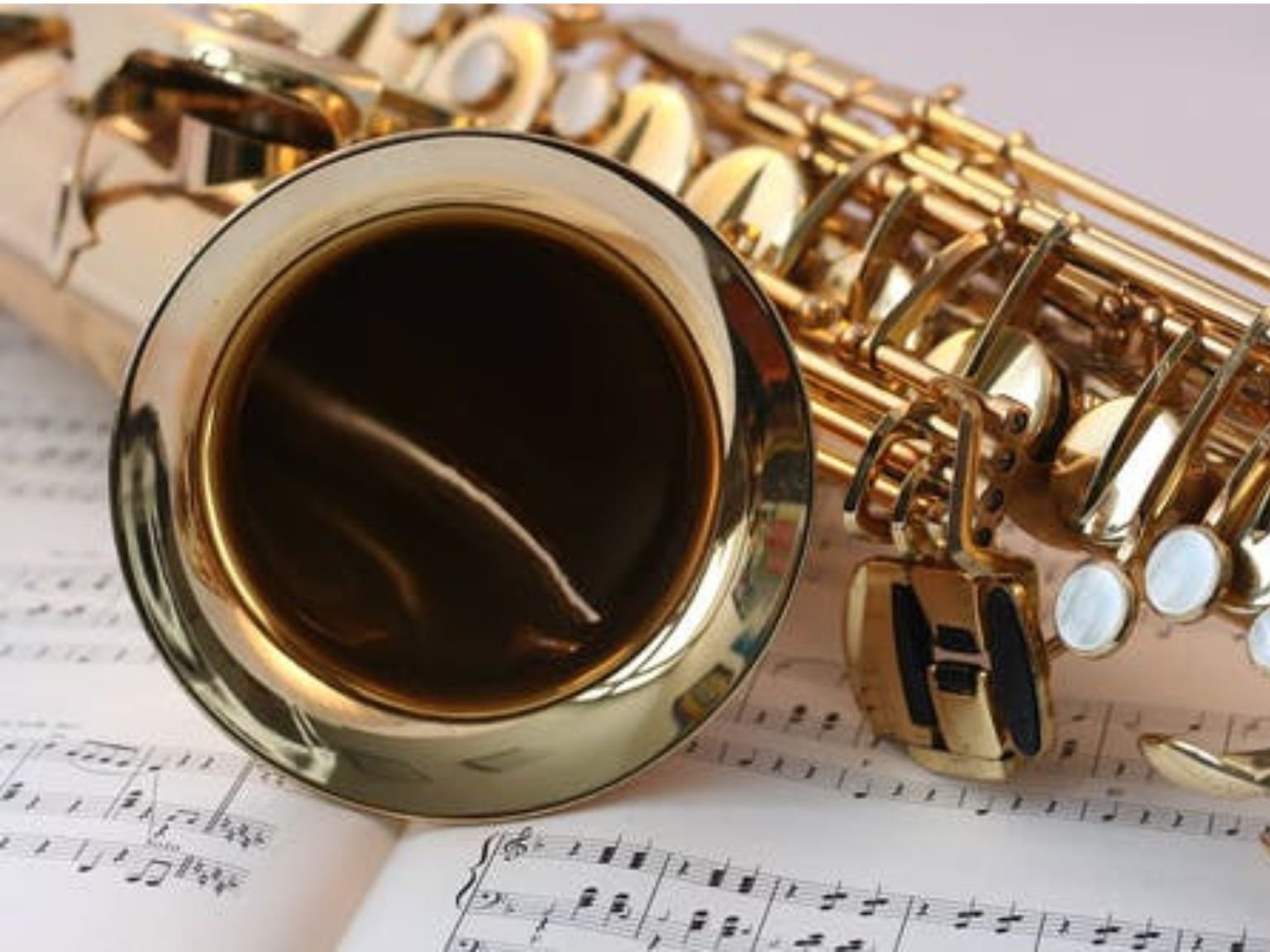
The saxophone is a versatile woodwind instrument with a rich, expressive sound. While it is commonly associated with jazz, blues, and classical music, different types of saxophones are used across various genres. Below is a breakdown of the main types of saxophones, their characteristics, and their common uses.
1️⃣ Soprano Saxophone 🎶
📏 Size: Smallest common saxophone, about 26 inches (66 cm) long
🔊 Sound: Bright, piercing, and melodic
🎵 Common Uses: Classical music, jazz, pop, gospel
🎼 Famous Players: Kenny G, John Coltrane, Sidney Bechet
Description:
- Straight-bodied (resembles a clarinet) or curved versions available
- Requires precise breath control due to its high pitch
- Common in classical ensembles, jazz, and contemporary music
Best for: Intermediate and advanced players who want to explore higher-pitched saxophone tones.
2️⃣ Alto Saxophone 🎷
📏 Size: Medium-sized, about 28 inches (71 cm) long
🔊 Sound: Warm, rich, and smooth
🎵 Common Uses: Jazz, pop, classical, funk, rock
🎼 Famous Players: Charlie Parker, Paul Desmond, Cannonball Adderley
Description:
- The most popular and commonly used saxophone
- Perfect for beginners due to its manageable size and tone
- Used in school bands, jazz combos, and solo performances
Best for: Beginners and intermediate players looking for a balanced, versatile instrument.
3️⃣ Tenor Saxophone 🎶
📏 Size: Larger than the alto, about 31 inches (79 cm) long
🔊 Sound: Deep, full-bodied, and expressive
🎵 Common Uses: Jazz, blues, rock, funk
🎼 Famous Players: John Coltrane, Stan Getz, Sonny Rollins
Description:
- Recognized for its curved neck and bigger bell
- Produces a powerful and resonant sound
- Popular in jazz bands, rock groups, and saxophone quartets
Best for: Intermediate and advanced players who want a saxophone with a deep, soulful tone.
4️⃣ Baritone Saxophone (Bari Sax) 🎶
📏 Size: One of the largest saxophones, about 40 inches (102 cm) long
🔊 Sound: Deep, booming, and resonant
🎵 Common Uses: Jazz, orchestras, classical, funk, marching bands
🎼 Famous Players: Gerry Mulligan, Leo Pellegrino, Cecil Payne
Description:
- Produces a rich, low-pitched sound
- Often used as a bass voice in saxophone ensembles
- Requires strong breath support and more physical endurance to play
Best for: Advanced players looking to explore the lower range of the saxophone family.
5️⃣ Bass Saxophone 🎵
📏 Size: Bigger than a baritone, about 4 feet (1.2 meters) tall
🔊 Sound: Very deep, smooth, and resonant
🎵 Common Uses: Classical, jazz ensembles, experimental music
🎼 Famous Players: Anthony Braxton, Adrian Rollini
Description:
- A rare and specialized saxophone
- Used in avant-garde jazz and orchestral settings
- Produces an extremely deep, growling tone
Best for: Professional musicians exploring unique, deep-pitched saxophone sounds.
6️⃣ Other Rare Saxophones 🎷
Aside from the standard saxophones, there are some less common variations:
🔹 Sopranino Saxophone – Smaller than a soprano, extremely high-pitched, used in classical music.
🔹 Contrabass Saxophone – One of the largest saxophones, very deep in tone, used in experimental music.
🔹 Subcontrabass Saxophone – The biggest and rarest saxophone, extremely low-pitched, mostly for collectors.
🎯 Which Saxophone is Right for You?
| Saxophone Type |
Best For |
Skill Level |
Main Genre |
| Soprano Sax |
Players looking for high-pitched, melodic sound |
Advanced |
Jazz, Classical, Pop |
| Alto Sax |
Beginners, all-around players |
Beginner – Intermediate |
Jazz, Classical, Rock |
| Tenor Sax |
Players wanting deep, soulful tones |
Intermediate – Advanced |
Jazz, Blues, Rock |
| Baritone Sax |
Musicians exploring low-pitched sounds |
Advanced |
Jazz, Funk, Classical |
| Bass Sax |
Professional musicians, unique sound lovers |
Advanced |
Classical, Experimental |
🎶 Conclusion: Find Your Perfect Saxophone!
The saxophone family offers a variety of tones and styles, from the bright soprano to the deep baritone and bass saxophones. Whether you are a beginner starting with an alto sax or an advanced musician exploring unique sounds, there’s a saxophone for everyone!
📌 Want to start learning saxophone? 🎷 Join WinQuest Online for expert-led, live saxophone lessons tailored for all levels!
📅 Sign up today for a free demo! 🎶
Visit www.WinQuestOnline.com
Curriculum
More about Internationally recognised Institutes :
🎷 Best Institutes for Graded Saxophone Exams
If you want to take graded saxophone exams to earn internationally recognized certifications, the following institutes offer structured programs from beginner to diploma levels:
1️⃣ Associated Board of the Royal Schools of Music (ABRSM) – UK 🇬🇧
📍 Location: Global (Exams in 90+ countries)
🎓 Grades: Initial Grade to Grade 8 + Diplomas (ARSM, DipABRSM, LRSM, FRSM)
🎵 Why Choose ABRSM?
✔ Most widely recognized saxophone exam board worldwide
✔ Strong emphasis on classical saxophone technique, scales, aural training & sight-reading
✔ Exams available in-person or remotely
2️⃣ Trinity College London (TCL) – UK 🇬🇧
📍 Location: Global (Exams in 60+ countries)
🎓 Grades: Initial to Grade 8 + Diplomas (ATCL, LTCL, FTCL)
🎵 Why Choose Trinity?
✔ Flexible repertoire choices – classical & jazz saxophone included
✔ Performance-based assessment – no mandatory sight-reading
✔ Strong focus on expressive playing and improvisation
3️⃣ Royal Conservatory of Music (RCM) – Canada 🇨🇦
📍 Location: Canada, USA, Online
🎓 Levels: Preparatory to Level 10 + ARCT Diploma
🎵 Why Choose RCM?
✔ Recognized in North America for university credits & scholarships
✔ Includes orchestral excerpts, technical exercises & sight-reading
✔ Strong focus on classical saxophone performance
4️⃣ Rockschool (RSL) – UK 🇬🇧
📍 Location: Global (Focus on contemporary & jazz styles)
🎓 Grades: Debut to Grade 8 + Professional Diplomas
🎵 Why Choose RSL?
✔ Designed for jazz, rock, pop & modern saxophone styles
✔ Focus on improvisation, backing tracks & performance skills
✔ Great for musicians who prefer contemporary over classical saxophone
5️⃣ London College of Music (LCM) – UK 🇬🇧
📍 Location: UK & International Exam Centers
🎓 Grades: Step 1 to Grade 8 + Diploma (DipLCM, ALCM, LLCM, FLCM)
🎵 Why Choose LCM?
✔ Offers both classical and jazz saxophone syllabi
✔ Provides performance-focused assessments
✔ Includes alternative pathways for self-taught musicians
6️⃣ Australian Music Examinations Board (AMEB) – Australia 🇦🇺
📍 Location: Australia, Online
🎓 Levels: Preliminary to Grade 8 + Diploma (AMusA, LMusA, FMusA)
🎵 Why Choose AMEB?
✔ Strong focus on technical mastery & sight-reading
✔ Recognized in Australia & New Zealand for professional & university pathways
✔ Covers both jazz and classical saxophone styles
If you’re looking for an internationally recognized graded saxophone exam, ABRSM, Trinity, RCM, and LCM are excellent choices, depending on your style. Rockschool (RSL) and AMEB are great for jazz and contemporary saxophonists.
📌 Want expert guidance for your saxophone exam?
🎶 WinQuest Online offers live lessons & personalized exam prep for all major saxophone grading systems!
🎷 Saxophone Curriculum – Aligned to TCL & ABRSM Syllabus
🎵 Level 1 – Beginner (Grades Initial/1)
(Prepares students for ABRSM Initial/Grade 1 and TCL Initial/Grade 1)
📌 Prerequisites
- Age Requirement: 8 years and above
- Musical Interest: No prior experience needed, just a passion for music
- Instrument: Own saxophone (with reeds & accessories) required for daily practice
📌 Requirements
- Daily Practice: 15–20 minutes to develop muscle memory
- Parental Support: Encouragement to ensure consistent practice
- Learning Environment: Quiet space with reliable internet access for online lessons
📚 Curriculum Modules
🎼 1. Introduction to the Saxophone
- Understanding the parts, assembly, and maintenance of the saxophone
- Developing proper embouchure, posture, and breath control
🎼 2. Basic Tone Production & Articulation
- Producing a steady tone across low and middle registers
- Introduction to tonguing techniques for articulation
🎼 3. Basic Finger Technique & Scales
- Playing Bb Major and G Major scales (one octave)
- Basic finger positioning & hand coordination exercises
🎼 4. Rhythm & Notation Fundamentals
- Introduction to time signatures (4/4, 3/4)
- Simple rhythmic exercises using quarter notes, half notes, and rests
🎼 5. Repertoire & Performance Readiness
- Learning melodic pieces & simple tunes to develop musicality
- Playing 10+ beginner pieces with correct rhythm & expression
🎯 Learning Outcomes
✅ Play simple scales & finger exercises with correct embouchure
✅ Demonstrate basic articulation & breath control
✅ Perform beginner melodies with confidence & expression
✅ Be prepared for ABRSM & TCL Initial/Grade 1 exams
🎼 Sample Repertoire (Beginner Level)
🎵 “Ode to Joy” (Basic melody for tone & finger technique)
🎵 “Twinkle, Twinkle, Little Star” (Simple rhythm control)
🎵 A Traditional Folk Tune (For ear training & phrasing)
🎵 Level 2 – Intermediate (Grades 2–4)
(Prepares students for ABRSM Grades 2–4 and TCL Grades 2–4)
📌 Prerequisites
- Successful completion of Level 1 with basic tone control, articulation, and rhythm skills
📌 Requirements
- Daily Practice: 20–30 minutes to strengthen technique
- Parental Support: Continued encouragement for structured progress
- Learning Environment: Stable and distraction-free practice area
📚 Curriculum Modules
🎼 1. Technical Development & Refinement
- Strengthening breath control for long phrases
- Improving articulation clarity (legato, staccato, slurs)
🎼 2. Scales, Arpeggios & Key Signatures
- Expanding to D Major, G Major & A Minor (two octaves)
- Introducing basic arpeggios & broken chords
🎼 3. Rhythmic Progression & Sight-Reading
- Learning dotted rhythms, syncopation & triplets
- Sight-reading short pieces in various time signatures
🎼 4. Repertoire & Expressive Playing
- Playing Baroque, Classical & Jazz pieces
- Introduction to dynamic contrasts & phrasing techniques
🎼 5. Introduction to Improvisation (TCL Focus)
- Developing simple improvised lines over chord progressions
- Exploring basic jazz articulation & swing rhythms
🎯 Learning Outcomes
✅ Play scales & arpeggios with fluidity & accuracy
✅ Maintain consistent rhythm & sight-read simple pieces
✅ Develop dynamic phrasing & expressive articulation
✅ Be prepared for ABRSM & TCL Grades 2–4 exams
🎼 Sample Repertoire (Intermediate Level)
🎵 “Minuet in G” (Bach, Adapted for Saxophone) – Phrasing & dynamics
🎵 “Autumn Leaves” – Jazz feel & articulation
🎵 “Simple Blues Improvisation” – Developing swing & feel
🎵 Level 3 – Advanced (Grades 5–8)
(Prepares students for ABRSM Grades 5–8 and TCL Grades 5–8)
📌 Prerequisites
- Completion of Level 2 with strong rhythm, scales, and improvisation skills
📌 Requirements
- Daily Practice: 30–40 minutes for mastery of complex techniques
- Parental Support: Encouragement for structured, disciplined learning
- Learning Environment: Dedicated practice space with proper equipment
📚 Curriculum Modules
🎼 1. Advanced Technical Mastery
- Refining finger agility, vibrato, and altissimo register
- Mastering long-tone exercises for tonal consistency
🎼 2. Extended Scales & Arpeggios
- Playing full-range major, minor, chromatic, and pentatonic scales
- Mastering dominant & diminished seventh arpeggios
🎼 3. Complex Rhythms & Sight-Reading
- Mastering syncopation, odd time signatures & triplet subdivisions
- Developing strong sight-reading in fast tempos
🎼 4. Repertoire & Interpretation
- Learning Baroque sonatas, Romantic solos & jazz standards
- Mastering expressive nuances in classical & contemporary works
🎼 5. Improvisation & Jazz Techniques (TCL Focus)
- Creating improvised solos over chord progressions
- Developing stylistic articulation & jazz phrasing
🎯 Learning Outcomes
✅ Play advanced technical exercises & challenging scales
✅ Perform complex rhythms & sight-read fluently
✅ Improvise with confidence using jazz phrasing
✅ Be fully prepared for ABRSM & TCL Grades 5–8 exams
🎼 Sample Repertoire (Advanced Level)
🎵 “Gavotte” (J.S. Bach, Adapted for Saxophone) – Advanced articulation
🎵 “Theme from a Classical Sonata” – Classical phrasing & musicality
🎵 “Jazz Standard (Autumn Leaves)” – Improvisation & syncopation
🎷 Why Choose WinQuest Online?
✅ Live 1:1 Online Saxophone Lessons for ABRSM & TCL exam preparation
✅ Personalized Feedback & Mock Assessments for performance improvement
✅ Flexible Scheduling – Learn at your own pace from anywhere
✅ Expert Teachers to guide you from beginner to advanced levels
📅 Book a FREE demo today! 🎷
Visit www.WinQuestOnline.com
This curriculum follows the structured approach of ABRSM & TCL, incorporating technical exercises, sight-reading, repertoire selection, and improvisation to ensure students excel in their saxophone exams. 🎶
🎷 Summary of Saxophone Curriculum – RSL & LCM
The RSL (Rockschool) and LCM (London College of Music) saxophone curricula focus on both classical and contemporary styles, preparing students for graded exams from beginner to diploma levels.
🎵 Level 1 – Beginner (Grades Debut/1)
✅ Fundamentals: Proper embouchure, breath control, finger placement
✅ Technical Skills: Bb Major & G Major scales, simple articulation (legato, staccato)
✅ Rhythm & Reading: Basic time signatures, quarter & eighth notes, simple sight-reading
✅ Repertoire: Beginner jazz & pop pieces, simple classical arrangements
✅ Performance Focus: Play with clear tone and correct timing
🎵 Level 2 – Intermediate (Grades 2–4)
✅ Advanced Technique: Arpeggios, chromatic scales, syncopation, tonguing exercises
✅ Repertoire Expansion: Classical, blues, pop, and film music
✅ Improvisation & Jazz (RSL Focus): Creating simple solos over chord progressions
✅ Performance Preparation: Expressive dynamics, articulation, stage confidence
🎵 Level 3 – Advanced (Grades 5–8)
✅ Extended Techniques: Altissimo register, vibrato, advanced articulation
✅ Scales & Arpeggios: Major, minor, pentatonic, dominant/diminished 7ths
✅ Complex Rhythms: Odd time signatures, syncopated jazz phrasing
✅ Improvisation & Interpretation: Advanced soloing techniques (RSL)
✅ Orchestral & Chamber Music (LCM Focus): Classical sonatas & concert repertoire
🎯 RSL vs. LCM – Key Differences
| Feature |
RSL Rockschool |
LCM (London College of Music) |
| Focus |
Contemporary styles (Jazz, Pop, Rock, Blues) |
Classical & Jazz Saxophone |
| Improvisation |
Strong emphasis on improvisation & soloing |
Performance-based, but with set pieces |
| Exam Style |
Backing tracks & modern pieces |
Traditional classical grading with options for jazz |
| Best For |
Saxophonists exploring modern genres & performance |
Classical musicians preparing for orchestral & recital careers |
📌 Want expert guidance for RSL & LCM saxophone exams?
🎶 WinQuest Online offers 1:1 coaching & personalized exam prep!
📅 Book a FREE demo today! 🎷
Visit www.WinQuestOnline.com
Our Small Group Classes Include
Live course instruction where you’ll meet face-to-face with your instructor and fellow students
Interactive and collaborative sessions where learners work on course-specific lessons as a group
Individual interaction with an expert instructor and an immersive learning experience in a class
The option to continue your learning with one-on-one private lessons!
Course content
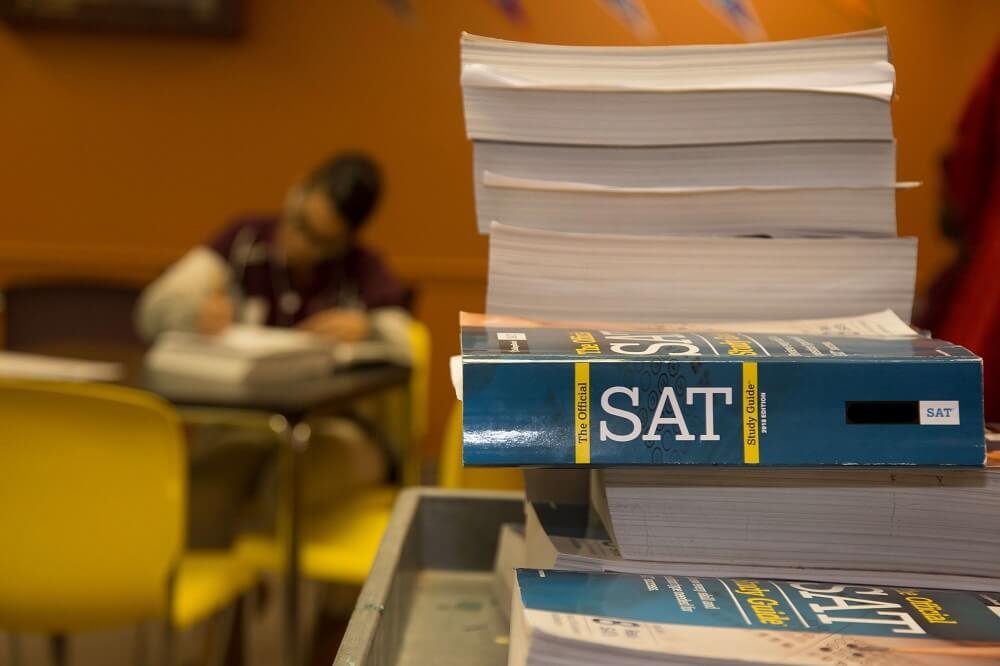
The English section of the SAT Suite of assessments can be divided into 2 parts- Reading and Language & Writing. The SAT Reading Test is an assessment of comprehension and reasoning skills, with a focus on careful reading of appropriately difficult passages in a wide array of subject areas. The SAT Writing and Language Test asks the student to be an editor and improve passages that were written especially for the test and that include deliberate errors. Broadly, the following skills are tested in the exams:
| Type of Question |
Skills/Content Tested |
| Information and Ideas |
Measures comprehension, analysis, and reasoning skills and knowledge and the ability to locate, interpret, evaluate, and integrate information and ideas from texts and informational graphics |
| Craft and Structure |
Measures the comprehension, vocabulary, analysis, synthesis, and reasoning skills and knowledge needed to understand and use high-utility words and phrases in context, evaluate texts rhetorically, and make connections between topically related texts. |
| Expression of Ideas |
Measures the ability to revise texts to improve the effectiveness of written expression and to meet specific rhetorical goals. |
| Standard English Conventions |
Measures the ability to edit text to conform to core conventions of Standard English sentence structure, usage, and punctuation. |
Apart from developing the above skills, our course will also cover common grammar rules that appear on the SAT writing section so you don’t fall for wrong answer choices that sound right. Join us if you’re ready to get serious about conquering the PSAT/SAT Reading & Language sections of the exam!
Download Syllabus
Assignments & Progress Tracking
Students would practice on our online practice Test tool – Flexiquiz. The assignments have been specifically created by our panel of experienced faculties. Every student who enrolls for the course is assigned its individual credentials to access the worksheets.



































Reviews
There are no reviews yet.