Course Content
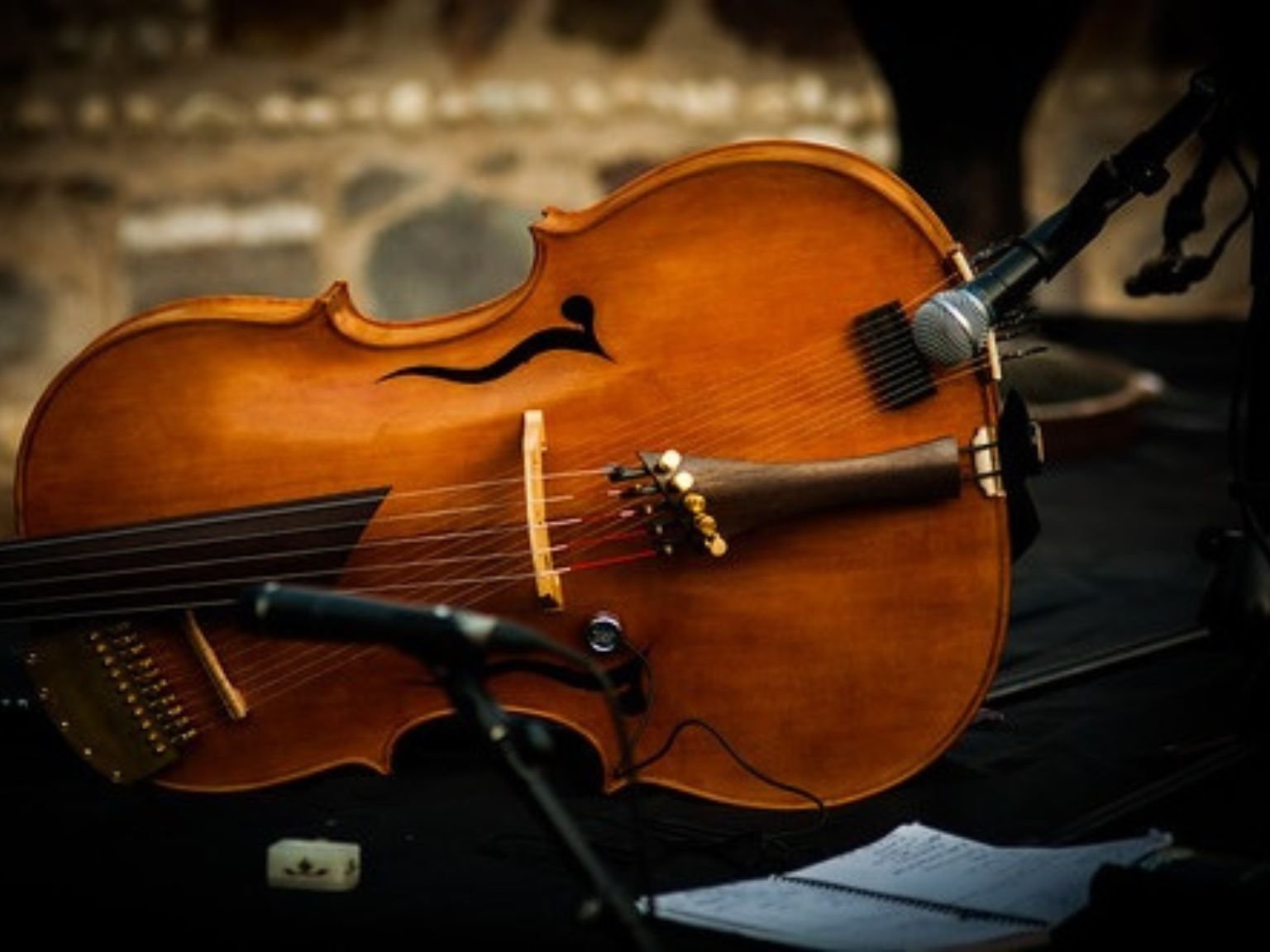
Cellos come in various types based on size, design, purpose, and playing style. Here are the different types of cello musical instruments:
1. Traditional Acoustic Cellos
These are the standard wooden cellos used in classical and contemporary music.
- Full-Size (4/4) Cello – Standard size for adults.
- Smaller Sizes (1/8, 1/4, 1/2, 3/4) – For children and young learners.
- Baroque Cello – Historically accurate cello with gut strings and a different neck design.
- Five-String Cello – A variation with an extra E string for extended range (used in some Baroque and folk music).
2. Electric & Modern Cellos
These cellos are designed for amplification and unique sounds.
🔹 Electric Cello – Solid-body, designed for amplified performance (popular in rock, jazz, and contemporary music).
🔹 Silent Cello – A type of electric cello with headphones for quiet practice.
🔹 Carbon Fiber Cello – Made from lightweight, durable materials, often used for travel and outdoor performances.
3. Specialized & Experimental Cellos
Innovations and adaptations of the traditional cello.
🔹 Piccolo Cello – A smaller, higher-pitched cello, similar to a violin in range.
🔹 Octobass – A massive string instrument similar to a cello but much larger, producing extremely low tones.
🔹 Viola da Gamba – A historical instrument with frets, played like a cello but with different tuning.
🔹 Travel Cello – Compact and foldable, designed for musicians who need portability.
4. Alternative Tunings & Styles
🔹 Five-String Electric Cello – Extra range for jazz and experimental genres.
🔹 Bass Cello – A hybrid between cello and bass, used in crossover genres.
🎻 Whether you’re into classical, jazz, or rock, there’s a cello for every style! Let me know if you need more details. 😊
Curriculum:
More about Internationally recognised Institutes :
Best Institutes for Graded Cello Exams
If you’re looking to take graded cello exams to measure your progress and earn recognized certifications, the following institutions offer internationally accredited programs:
1. Associated Board of the Royal Schools of Music (ABRSM) – UK
Location: Global (Exams held in 90+ countries)
Grades: Initial Grade to Grade 8 + Diploma Levels (ARSM, DipABRSM, LRSM, FRSM)
Why Choose ABRSM?
Most widely recognized cello exam board worldwide
Strong emphasis on classical technique, sight-reading & aural skills
Exams available in person or remotely
Website: www.abrsm.org
Trinity College London (TCL) – UK
Location: Global (Exams in 60+ countries)
Grades: Initial to Grade 8 + Diploma Levels (ATCL, LTCL, FTCL)
Why Choose Trinity?
More flexible repertoire choices than ABRSM
Supports classical & contemporary cello styles
Performance-based assessment – no mandatory sight-reading
Website: www.trinitycollege.com
3.Royal Conservatory of Music (RCM) – Canada 🇨🇦
- Location: Canada, USA, Online
- Levels: Preparatory to Level 10 + ARCT Diploma
Why Choose RCM?
Strong focus on technical development & musicianship
Includes orchestral excerpts & sight-reading in higher grades
Recognized in North America for university credits & scholarships
Website: www.rcmusic.com
London College of Music (LCM) – UK
- Location: UK & International Exam Centers
- Grades: Step 1 to Grade 8 + Diploma (DipLCM, ALCM, LLCM, FLCM)
Why Choose LCM?
- Offers flexible exam formats (Performance, Recital, or Standard)
- Includes music theory & improvisation options
- Well-suited for self-taught and diverse learning styles
🔗 Website: www.uwl.ac.uk/lcm
Rockschool (RSL) – UK 🇬🇧
📍 Location: Global (Focus on contemporary music)
🎓 Grades: Debut to Grade 8 + Professional Diplomas
🎵 Why Choose RSL?
✔ Focus on contemporary cello styles (pop, jazz, rock)
✔ More emphasis on improvisation and personal expression
✔ Great for musicians who want alternative pathways beyond classical music
🔗 Website: www.rslawards.com
6️⃣ Australian Music Examinations Board (AMEB) – Australia 🇦🇺
📍 Location: Australia, Online
🎓 Levels: Preliminary to Grade 8 + Diploma (AMusA, LMusA, FMusA)
🎵 Why Choose AMEB?
✔ Strong focus on technical mastery & performance skills
✔ Graded repertoire includes Australian composers & contemporary works
✔ Well-respected across Australia & New Zealand
🔗 Website: www.ameb.edu.au
For internationally recognized graded cello exams, ABRSM, Trinity, RCM, and LCM are excellent choices, depending on your musical goals. If you’re interested in modern or contemporary styles, Rockschool (RSL) is a great alternative.
📌 Want expert guidance for your cello exam?
🎶 WinQuest Online offers live lessons & personalized exam prep for all major cello grading systems!
📅 Book a FREE trial today! 🎻
Visit www.WinQuestOnline.com
🎻 Structured Cello Curriculum (Aligned with ABRSM & Trinity Syllabus)
🎵 Level 1 (Beginner)
Prepares students for: ABRSM Initial/Grade 1, Trinity Initial/Grade 1, RSL Debut/Grade 1
🎯 Prerequisites:
✔ Ideal Age: 8 years and above
✔ Instrument: Students must have their own cello and bow
✔ Musical Background: No prior experience required, but an interest in music is essential
🎯 Requirements:
✔ Practice Commitment: 15–20 minutes daily to build muscle memory
✔ Parental Involvement: Ensuring regular practice and a supportive environment
✔ Learning Setup: Quiet, distraction-free space with a good internet connection (for online learning)
📖 Curriculum Modules:
- Introduction to the Cello
- Identifying cello parts, tuning, and care
- Proper posture, bow hold, and left-hand placement
- Basic Bowing Techniques
- Producing a clear, steady tone
- Fundamental bow strokes: détaché, legato
- Basic dynamic control (piano, forte)
- Fundamental Finger Technique
- First-position finger placements
- Simple scales: C Major, G Major, A Minor (one octave)
- Introduction to arpeggios
- Rhythmic Patterns & Repertoire Development
- Basic rhythmic notation and bowing coordination
- Learning simple pieces by ear and notation
🎯 Learning Outcomes:
✔ Play with a clear, consistent tone and correct bowing technique
✔ Execute basic scales and simple rhythms with accuracy
✔ Perform a selection of 10+ beginner pieces with musical expression
✔ Be prepared for ABRSM Initial Grade / Trinity Initial Grade / RSL Debut
🎼 Sample Repertoire (Aligned with ABRSM & Trinity)
🎶 “Ode to Joy” (Beethoven) – Develops tone and fundamental bowing technique
🎶 “Twinkle, Twinkle, Little Star” – Reinforces rhythm and dynamics
🎶 A Simple Folk Tune – Builds phrasing and ear training
🎵 Level 2 (Intermediate – Grades 2–4)
Prepares students for: ABRSM Grades 2–4, Trinity Grades 2–4, RSL Grades 2–4
🎯 Prerequisites:
✔ Completion of Level 1 (or equivalent) with strong basic skills
🎯 Requirements:
✔ Practice Commitment: 20–30 minutes daily to develop technique
✔ Parental Support: Monitoring progress and providing encouragement
✔ Learning Setup: Distraction-free practice space with necessary equipment
📖 Curriculum Modules:
- Technical Refinement & Review
- Improving tone clarity, bow control, and articulation
- Drills for developing a smooth legato bow stroke
- Intermediate Finger Techniques & Scales
- Expanding to G Major, D Major, F Major, E Minor (two octaves)
- Introduction to basic arpeggios and broken chords
- Left-hand strengthening and shifting exercises
- Rhythmic Complexity & Articulatory Nuances
- Practicing syncopated and dotted rhythms
- Developing articulation: legato, staccato, slurs, accents
- Intermediate Repertoire & Expressive Playing
- Learning pieces with basic shifting and phrasing elements
- Exploring different styles: Baroque, Classical, Romantic, and Folk
🎯 Learning Outcomes:
✔ Perform intermediate-level scales and arpeggios with good intonation
✔ Maintain steady rhythm and articulation in more complex pieces
✔ Demonstrate dynamic control and expressive playing
✔ Be prepared for ABRSM Grade 2–4 / Trinity Grade 2–4 / RSL Grade 2–4
🎼 Sample Repertoire (Aligned with ABRSM & Trinity)
🎶 “Minuet in G” (Bach) – Emphasizes phrasing and smooth transitions
🎶 “Simple Jazz Blues” – Introduces syncopation and improvisation
🎶 “Autumn Leaves” – Focuses on expressive articulation and bow control
🎵 Level 3 (Advanced – Grades 5–8)
Prepares students for: ABRSM Grades 5–8, Trinity Grades 5–8, RSL Grades 5–8
🎯 Prerequisites:
✔ Completion of Level 2 (or equivalent) with strong scales, shifting, and bowing technique
🎯 Requirements:
✔ Practice Commitment: 30–40 minutes daily for mastery of advanced techniques
✔ Parental Support: Encouraging artistic development and maintaining discipline
✔ Learning Setup: A dedicated, quiet practice space for advanced study
📖 Curriculum Modules:
- Advanced Technical Mastery
- Three-octave scales and arpeggios in C, G, D, B-flat, and E-flat major
- Shifting up to 5th and 6th positions
- Introduction to double stops and harmonics
- Advanced Articulation & Bowing Techniques
- Mastering spiccato, sautillé, ricochet bowing
- Exploring contrasting dynamics and expressive phrasing
- Improvisation & Creative Expression
- Developing personal interpretation in classical and contemporary styles
- Introducing cadenza-style playing and ornamentation
- Solo Performance & Recital Preparation
- Playing pieces with technical and emotional depth
- Simulated performances for exam readiness
🎯 Learning Outcomes:
✔ Exhibit technical control across extended scales, shifting, and bowing styles
✔ Deliver expressive phrasing and stylistic nuances in performance
✔ Perform advanced solo repertoire with confidence and maturity
✔ Be fully prepared for ABRSM Grade 5–8 / Trinity Grade 5–8 / RSL Grade 5–8
🎼 Sample Repertoire (Aligned with ABRSM & Trinity)
🎶 “Gavotte” (Bach) – Requires refined bow control and articulation
🎶 “Theme from a Classical Sonata” – Focuses on sustained tone and phrasing
🎶 “Jazz Standard – ‘Autumn Leaves'” – Incorporates complex rhythmic patterns
🎶 A Contemporary Piece for Cello – Encourages advanced interpretation
📌 Summary of Progression
| Level |
Exam Equivalent |
Focus |
Key Skills |
Sample Repertoire |
| Level 1 (Beginner) |
ABRSM Initial/Grade 1, Trinity Initial |
Basics of bowing, posture, rhythm |
Open strings, basic scales, first position |
“Ode to Joy,” “Twinkle, Twinkle, Little Star” |
| Level 2 (Intermediate) |
ABRSM Grade 2–4, Trinity Grade 2–4 |
Shifting, complex rhythms, articulation |
Two-octave scales, legato & staccato, simple phrasing |
“Minuet in G,” “Autumn Leaves” |
| Level 3 (Advanced) |
ABRSM Grade 5–8, Trinity Grade 5–8 |
Extended techniques, solo performance |
Three-octave scales, thumb position, spiccato |
“Gavotte,” “Theme from a Sonata” |
🎻 This structured curriculum ensures a smooth transition from beginner to advanced levels, aligning with ABRSM and Trinity examination standards. 😊
🎻 Summary of the Cello Syllabus – Royal Conservatory of Music (RCM)
The RCM Cello Syllabus provides a structured progression from beginner to advanced levels, covering essential skills like technical exercises, repertoire, sight-reading, and ear training. It is designed to develop well-rounded musicianship while preparing students for RCM examinations.
📌 Levels & Key Components:
🎵 Preparatory to Level 4 (Beginner – Early Intermediate)
✅ Repertoire: Simple pieces with basic bowing and finger techniques
✅ Technical Skills: One- and two-octave scales & arpeggios (C, G, D Major, A Minor)
✅ Sight-Reading & Ear Training: Simple rhythmic and melodic exercises
✅ Performance Pieces: Beginner études and easy classical melodies
🎵 Levels 5 to 8 (Intermediate – Advanced Intermediate)
✅ Repertoire: More expressive pieces from Baroque, Classical, and Romantic periods
✅ Technical Skills: Two- and three-octave scales, arpeggios, shifting, vibrato
✅ Orchestral Excerpts: Introduced at higher grades for ensemble preparation
✅ Etudes: Studies by Popper, Dotzauer, and other composers
🎵 Levels 9 & 10 (Advanced – Pre-Professional)
✅ Repertoire: Complex solo pieces, concertos & sonatas by Bach, Beethoven, and Brahms
✅ Technical Mastery: Three- and four-octave scales & arpeggios, advanced bowing techniques
✅ Orchestral & Chamber Music Preparation
✅ Performance Requirement: Strong expressive control, tone projection, and dynamic phrasing
🎵 Associate Diploma (ARCT – Professional Level)
✅ Repertoire: Professional-level concert pieces and major cello concertos
✅ Technical Expertise: Mastery of bow control, thumb position, harmonics, and virtuosic passages
✅ Advanced Aural & Sight-Reading Skills
✅ Solo Recital Preparation & Interpretation
🎶 The RCM Cello Syllabus ensures students develop both technical proficiency and musical artistry, making it a comprehensive guide for structured learning and exam preparation.





































Reviews
There are no reviews yet.