Course Content
Learn more about Guitars: Types of Guitars – A Complete Guide
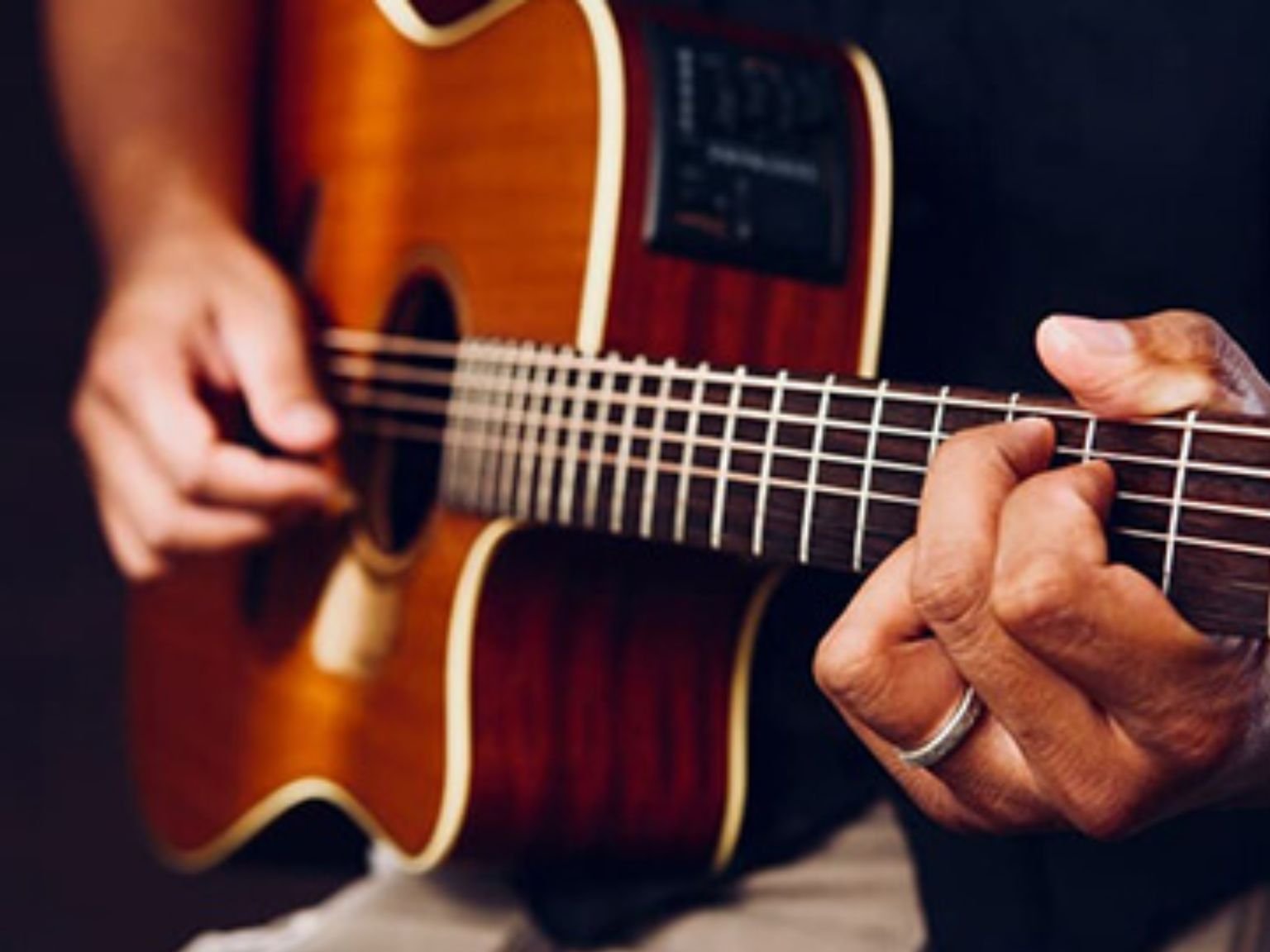
The guitar is one of the most popular and versatile instruments, renowned for its rich tones and adaptability across many genres. Whether you’re strumming soft acoustic ballads or shredding high-energy electric solos, there’s a guitar that’s perfect for your style. Below is a breakdown of the main types of guitars, their characteristics, and common uses.
1️⃣ Acoustic Guitar 🎶
📏 Body & Size: Varies from dreadnought to concert size – designed with a hollow wooden body
🔊 Sound: Warm, natural, and resonant with a rich, full tone
🎵 Common Uses: Folk, pop, country, singer-songwriter, soft rock
🎼 Famous Players: Ed Sheeran, John Mayer, Taylor Swift
Description:
• Ideal for unplugged performances and songwriting
• No external amplification required
• Great for beginners and versatile enough for various music styles
Best for: Beginners and intermediate players looking for a natural, organic sound
2️⃣ Classical Guitar 🎶
📏 Body & Size: Similar to acoustic guitars but with a slimmer neck and a lighter build
🔊 Sound: Soft, mellow, and warm with clear, distinct notes
🎵 Common Uses: Classical, flamenco, Latin, and fingerstyle music

🎼 Famous Players: Andrés Segovia, John Williams, Narciso Yepes
Description:
• Uses nylon strings, which produce a softer tone and are gentler on the fingers
• Perfect for intricate fingerpicking and classical compositions
Best for: Intermediate to advanced players who favor expressive and refined tonal qualities
3️⃣ Electric Guitar 🎸
📏 Body & Size: Solid body design; size and shape vary depending on the model
🔊 Sound: Versatile tones ranging from clean and crisp to distorted and heavy
🎵 Common Uses: Rock, blues, metal, pop, funk
🎼 Famous Players: Jimi Hendrix, Eric Clapton, Eddie Van Halen
Description:
• Requires an amplifier to project sound
• Offers a wide range of effects and tone controls
• Perfect for dynamic live performances and studio recording
Best for: Intermediate and advanced players looking to explore a broad spectrum of sonic textures
4️⃣ Semi-Acoustic / Hollow Body Electric Guitar 🎶
📏 Body & Size: Combines features of acoustic warmth with electric versatility
🔊 Sound: Rich, warm tones with a touch of resonance and natural feedback
🎵 Common Uses: Jazz, blues, rockabilly, and classic rock

🎼 Famous Players: B.B. King, Wes Montgomery, George Benson
Description:
• Features a semi-hollow or fully hollow body for added resonance
• Merges the best of acoustic and electric sounds

Best for: Players who want the expressive warmth of an acoustic with the adaptability of electric effects
5️⃣ Bass Guitar 🎶
📏 Body & Size: Larger and longer scale compared to standard guitars
🔊 Sound: Deep, rhythmic, and foundational tones

🎵 Common Uses: Jazz, rock, funk, pop, blues
🎼 Famous Players: Flea, Bootsy Collins, Paul McCartney
Description:
• Provides the low-end backbone for musical ensembles

• Requires strong timing and rhythm skills
• Essential in most bands to drive the groove
Best for: Intermediate to advanced musicians seeking to anchor the rhythm section with deep, driving tones
6️⃣ Other Rare & Specialty Guitars 🎸
Beyond the common types, there are several unique variations for adventurous players:
🔹 Resonator Guitar: Uses metal cones instead of a wooden soundboard for a distinctive, bright sound, popular in blues and bluegrass
🔹 12-String Guitar: Offers a richer, jangly tone with double strings for each note
🔹 Archtop Guitar: Features a curved top and f-holes, favored in jazz for its warm, mellow sound
🎯 Which Guitar is Right for You?
| Guitar Type |
Best For |
Skill Level |
Main Genre |
| Acoustic Guitar |
Songwriters & versatile performers |
Beginner – Intermediate |
Folk, Pop, Country |
| Classical Guitar |
Expressive fingerstyle & classical compositions |
Intermediate – Advanced |
Classical, Flamenco, Latin |
| Electric Guitar |
Dynamic solos & experimental sounds |
Intermediate – Advanced |
Rock, Blues, Metal, Pop |
| Semi-Acoustic / Hollow Body |
Players seeking warm, resonant tones |
Intermediate – Advanced |
Jazz, Blues, Rockabilly |
| Bass Guitar |
Musicians anchoring rhythm and groove |
Intermediate – Advanced |
Rock, Funk, Jazz |
| Specialty Guitars (Resonator, etc.) |
Experimental and niche musical styles |
Advanced |
Blues, Bluegrass, Indie |
🎶 Conclusion: Find Your Perfect Guitar!
The guitar family offers a remarkable range of sounds and styles, from the natural warmth of an acoustic to the electrifying versatility of an electric. Whether you’re a beginner strumming your first chords or an advanced musician diving into complex solos, there’s a guitar designed just for you!
📌 Want to start learning guitar?
Join WinQuest Online for expert-led, live guitar lessons tailored for all levels!
📅 Sign up today for a free demo and unlock your musical potential!
Visit www.winquestonline.com
Curriculum
Best Institutes for Graded Guitar Exams
If you want to take graded guitar exams and earn internationally recognized certifications, the following institutes offer structured programs—from beginner levels to diplomas—for classical, acoustic, and electric guitar.
1️⃣ Associated Board of the Royal Schools of Music (ABRSM) – UK 🇬🇧
📍 Location: Global (Exams in 90+ countries)
🎓 Grades: Initial Grade to Grade 8 + Diplomas (ARSM, DipABRSM, LRSM, FRSM)
🎵 Why Choose ABRSM?
✔ One of the most widely recognized exam boards for classical guitar
✔ Emphasizes technical proficiency, repertoire, aural training, and sight-reading
✔ Offers exams both in-person and remotely
🔗 Website: www.abrsm.org
2️⃣ Trinity College London (TCL) – UK 🇬🇧
📍 Location: Global (Exams in 60+ countries)
🎓 Grades: Initial to Grade 8 + Diplomas (ATCL, LTCL, FTCL)
🎵 Why Choose Trinity?
✔ Flexible repertoire options covering classical and contemporary guitar music
✔ Performance-based assessments with an emphasis on expressive playing
✔ Allows candidates to choose pieces that best suit their style
🔗 Website: www.trinitycollege.com
3️⃣ Royal Conservatory of Music (RCM) – Canada 🇨🇦
📍 Location: Canada, USA, Online
🎓 Levels: Preparatory to Level 10 + ARCT Diploma
🎵 Why Choose RCM?
✔ Highly regarded in North America for university credits and scholarships
✔ Comprehensive syllabus including technique, repertoire, sight-reading, and aural skills
✔ Features classical guitar repertoire that builds a solid foundation
🔗 Website: www.rcmusic.com
4️⃣ Rockschool (RSL) – UK 🇬🇧
📍 Location: Global (Focus on contemporary and electric styles)
🎓 Grades: Debut to Grade 8 + Professional Diplomas
🎵 Why Choose RSL?
✔ Tailored for modern, electric, and rock guitar styles
✔ Emphasizes performance, improvisation, and genre-specific techniques
✔ Perfect for musicians aiming to excel in rock, pop, or contemporary settings
🔗 Website: www.rslawards.com
5️⃣ London College of Music (LCM) – UK 🇬🇧
📍 Location: UK & International Exam Centers
🎓 Grades: Step 1 to Grade 8 + Diplomas (DipLCM, ALCM, LLCM, FLCM)
🎵 Why Choose LCM?
✔ Offers comprehensive syllabi for both classical and modern guitar
✔ Focuses on technical mastery along with musical expression
✔ Provides alternative pathways suitable for self-taught musicians
🔗 Website: www.uwl.ac.uk/lcm
6️⃣ Australian Music Examinations Board (AMEB) – Australia 🇦🇺
📍 Location: Australia, Online
🎓 Levels: Preliminary to Grade 8 + Diploma (AMusA, LMusA, FMusA)
🎵 Why Choose AMEB?
✔ Emphasizes technical skills and musical interpretation for guitar
✔ Widely recognized in Australia & New Zealand for professional and academic pathways
✔ Covers a range of styles—from classical to contemporary guitar
🔗 Website: www.ameb.edu.au
If you’re looking for an internationally recognized graded guitar exam, ABRSM, Trinity, RCM, and LCM offer excellent programs for classical and acoustic guitarists, while Rockschool and AMEB are ideal for those focused on contemporary or electric styles.
📌 Want expert guidance for your guitar exam?
🎶 WinQuest Online offers live lessons and personalized exam prep for all major guitar grading systems!
📅 Book a FREE trial today!
Visit www.winquestonline.com
Curriculum for Classical Guitar (Aligned with ABRSM)
Level 1 (Beginner – Prepares for ABRSM Initial/Grade 1)
Prerequisites:
• Basic musical interest; no previous training; age 8+
Requirements:
• Daily practice of 15–20 minutes
• Own classical guitar, tuner, and basic accessories
Course Content:
- Introduction to the Guitar
- Understanding the parts of the guitar (headstock, tuning pegs, neck, frets, body, bridge)
- Assembly, basic maintenance, and tuning techniques
- Developing proper posture and hand positioning for both fretting and plucking
- Basic Tone Production & Technique
- Producing a steady and clear tone on open strings
- Introduction to both fingerstyle and pick techniques
- Exploring dynamic control through varied picking pressure
- Fundamental Chord & Scale Techniques
- Learning essential open chords (C, G, D, E minor, A minor)
- Practicing one‐octave major and minor scales (e.g., C major, A minor)
- Basic finger exercises to build dexterity and coordination
- Rhythm & Notation Fundamentals
- Introduction to basic time signatures (4/4, 3/4)
- Simple rhythmic exercises using quarter notes, half notes, and rests
- Reading simple musical notation and tablature
- Repertoire & Performance Readiness
- Learning simple melodic pieces to build musicality
- Focusing on maintaining correct rhythm, tone, and expression
- Example pieces: “Greensleeves” (arranged for guitar), “Romanza,” and a simple Baroque minuet
Learning Outcomes:
• Produce a consistent tone with proper technique
• Read basic notation and tablature with confidence
• Execute open chords, scales, and simple rhythms accurately
• Perform a selection of beginner pieces with correct rhythm and expression
Sample Repertoire:
“Greensleeves”, “Romanza”, Baroque Minuet
Level 2 (Intermediate – Prepares for ABRSM Grades 2–4)
Prerequisites:
• Successful completion of Level 1 with solid foundational skills
Requirements:
• Daily practice of 20–30 minutes with focused technical drills
• Continued regular tuning, maintenance, and review of posture
Course Content:
- Advanced Introduction & Technical Review
- Quick review of guitar parts and maintenance
- Emphasis on proper hand positioning and relaxed technique
- Enhanced Tone Production & Articulation
- Refining tone quality on both open and fretted notes
- Introduction to varied picking dynamics (soft vs. strong attack)
- Basic vibrato and controlled note sustain
- Intermediate Chord & Scale Techniques
- Expanding chord vocabulary to include simple barre chords and suspended chords
- Practicing two‐octave scale patterns in major keys (e.g., G major, D major)
- Introduction to arpeggio patterns and broken chord exercises
- Rhythmic Complexity & Notation Development
- Working with syncopated rhythms and dotted notes
- Reading more complex rhythmic patterns and dynamic markings
- Sight-reading exercises with increasing difficulty
- Repertoire & Performance Refinement
- Learning pieces that incorporate shifts, dynamic changes, and expressive phrasing
- Emphasis on interpretation and performance readiness
- Example pieces: “Minuet in G” (Bach), a simplified version of “Lagrima” (Villa‐Lobos), and “Spanish Romance”
Learning Outcomes:
• Improved technical accuracy in chord transitions and scale fluency
• Enhanced dynamic control and expressive phrasing
• Ability to tackle intermediate classical repertoire confidently
• Preparedness for graded exams through steady performance refinement
Sample Repertoire:
“Minuet in G”, “Lagrima” (simplified), “Spanish Romance”
Level 3 (Advanced – Prepares for ABRSM Grades 5–8)
Prerequisites:
• Mastery of intermediate techniques with consistent performance experience
Requirements:
• Daily practice of 30–40 minutes with advanced technical drills
• Dedicated practice sessions for shifting, advanced chord work, and interpretation
Course Content:
- Advanced Technical Mastery
- Intensive practice on three‐octave scale patterns and advanced arpeggios
- Techniques for rapid shifting across positions and advanced finger independence
- Exercises incorporating complex left-hand patterns and legato techniques
- Sophisticated Tone Production & Articulation
- Mastering controlled vibrato, advanced dynamics, and tone shaping
- Developing techniques for staccato, legato, and nuanced phrasing
- Integration of articulation into performance practice
- Complex Chord & Scale Applications
- Working with complex chord voicings, inversions, and extended harmonies
- Exploration of modes and non-diatonic scales
- Advanced exercises on arpeggios and chord melody playing
- Rhythmic Nuance & Advanced Notation
- Reading and performing complex rhythms and mixed time signatures
- Advanced sight-reading exercises and interpretation of contemporary markings
- Use of expressive tempo changes and rubato
- Repertoire & Recital Preparation
- Learning extended pieces that challenge technical and interpretative skills
- Intensive performance practice, including simulated recitals
- Example pieces: “Recuerdos de la Alhambra”, “Capricho Árabe”, and “Asturias (Leyenda)”
Learning Outcomes:
• High technical fluency and interpretative depth
• Mastery of advanced shifting, chord structures, and expressive dynamics
• Readiness for performance at advanced graded examinations
• Ability to perform complex solo repertoire with nuance and confidence
Sample Repertoire:
“Recuerdos de la Alhambra”, “Capricho Árabe”, “Asturias (Leyenda)”
ABRSM Classical Guitar Curriculum Summary
| Level |
Exam Equivalent |
Focus |
Key Skills |
Sample Repertoire |
| Level 1 |
Initial/Grade 1 |
Fundamentals & Basic Technique |
Open chords, one-octave scales, basic rhythm |
Greensleeves, Romanza, Baroque Minuet |
| Level 2 |
Grades 2–4 |
Technique Refinement & Expressiveness |
Barre chords, two-octave scales, arpeggios, dynamics |
Minuet in G, Lagrima, Spanish Romance |
| Level 3 |
Grades 5–8 |
Advanced Technical Mastery |
Advanced shifting, extended scales, nuanced phrasing |
Recuerdos de la Alhambra, Capricho Árabe, Asturias |
Curriculum for Classical Guitar (Aligned with Trinity College London)
Level 1 (Beginner – Prepares for Trinity Initial/Grade 1)
Prerequisites:
• Basic interest in music; no previous training
Requirements:
• Daily practice of 15–20 minutes
• Own classical guitar and essential accessories
Course Content:
- Introduction to the Guitar
- Identifying guitar parts and basic care
- Assembly and tuning techniques
- Establishing proper posture and relaxed hand positioning
- Basic Tone Production & Articulation
- Producing a steady tone on open strings
- Introduction to both fingerpicking and strumming techniques
- Exploring variations in dynamics (soft/loud playing)
- Fundamental Chord & Scale Technique
- Learning essential open chords (C, G, D, Em, Am)
- Playing one-octave major and minor scales
- Simple finger coordination and basic exercises
- Rhythm & Notation Fundamentals
- Introduction to time signatures (4/4, 3/4) and rhythmic patterns
- Basic sight-reading of simple melodies using standard notation
- Exercises in keeping steady tempo and rhythm
- Repertoire & Performance Readiness
- Learning easy melodic pieces to build confidence
- Focus on clear articulation and musical phrasing
- Example pieces: “Ode to Joy” (simplified), a simple folk tune, and an arranged version of “Twinkle, Twinkle”
Learning Outcomes:
• Establish a clear tone with proper technique
• Read simple musical scores and tablature
• Perform basic pieces with accurate rhythm and dynamics
Sample Repertoire:
“Ode to Joy”, simple folk tune, “Twinkle, Twinkle” (arranged)
Level 2 (Intermediate – Prepares for Trinity Grades 2–4)
Prerequisites:
• Completion of Level 1 with basic technique in place
Requirements:
• Daily practice of 20–30 minutes with regular performance feedback
Course Content:
- Technical Refinement & Review
- Brief review of guitar fundamentals and maintenance
- Focus on refining finger positioning and relaxed technique
- Enhanced Tone Production & Articulation
- Developing a consistent tone across fretted notes
- Introduction to dynamic control and controlled vibrato
- Practice of legato and staccato articulation techniques
- Intermediate Chord & Scale Techniques
- Introduction to barre chords and chord variations
- Practicing two-octave scale patterns (e.g., G major, D major)
- Exercises on arpeggios and broken chord progressions
- Rhythm & Notation Advancement
- Working with more complex rhythms, including syncopation
- Improved sight-reading with varied dynamic markings
- Exercises incorporating dotted rhythms and rests
- Repertoire & Expressive Performance
- Learning pieces that require dynamic contrast and expressive phrasing
- Preparation for live performance scenarios
- Example pieces: “Minuet in G” (Bach), a simplified etude in E minor, and “Spanish Romance” (arranged)
Learning Outcomes:
• Improved technical precision and dynamic control
• Ability to perform intermediate repertoire with expressive phrasing
• Enhanced sight-reading and rhythmic accuracy
Sample Repertoire:
“Minuet in G”, simplified etude in E minor, “Spanish Romance”
Level 3 (Advanced – Prepares for Trinity Grades 5–8)
Prerequisites:
• Mastery of intermediate techniques and consistent performance experience
Requirements:
• Daily practice of 30–40 minutes with advanced technical exercises
Course Content:
- Advanced Technical Mastery
- Intensive practice on three-octave scales and advanced arpeggio patterns
- Developing rapid shifting and refined finger independence
- Exercises integrating complex left-hand patterns and advanced picking
- Sophisticated Tone & Articulation Techniques
- Mastering advanced vibrato, legato, and staccato techniques
- Techniques for dynamic shading and expressive tone control
- Integration of ornamentation and subtle phrasing in performance
- Complex Chord & Scale Applications
- Exploration of extended chord voicings, inversions, and modal scales
- Advanced exercises on chord melody and counterpoint
- Application of non-diatonic scale passages in context
- Advanced Rhythm & Notation Interpretation
- Reading and executing complex rhythms, mixed time signatures, and rubato
- Intensive sight-reading of challenging repertoire
- Emphasis on precise timing and expressive delivery
- Repertoire & Recital Preparation
- Preparation of extended pieces requiring technical and interpretative mastery
- Regular simulated recital performances and detailed feedback sessions
- Example pieces: an advanced caprice or etude, “Recuerdos de la Alhambra,” and “Asturias”
Learning Outcomes:
• High-level technical proficiency and musical interpretation
• Mastery of complex rhythmic and notational challenges
• Readiness for advanced examinations and public recitals
Sample Repertoire:
Advanced caprice/etude, “Recuerdos de la Alhambra”, “Asturias”
Summary Table – Trinity Classical Guitar Curriculum
| Level |
Exam Equivalent |
Focus |
Key Skills |
Sample Repertoire |
| Level 1 |
Initial/Grade 1 |
Basic Technique & Notation |
Open chords, one-octave scales, basic sight-reading |
Ode to Joy, Folk Tune, Twinkle, Twinkle |
| Level 2 |
Grades 2–4 |
Technical Refinement & Expression |
Barre chords, two-octave scales, dynamic control |
Minuet in G, Simplified Etude, Spanish Romance |
| Level 3 |
Grades 5–8 |
Advanced Performance & Interpretation |
Advanced shifting, extended scales, nuanced phrasing |
Caprice/Advanced Etude, Recuerdos de la Alhambra, Asturias |
Curriculum for Classical Guitar (Aligned with RCM)
Level 1 (Beginner – Prepares for RCM Preparatory/Level 1)
Prerequisites:
• No prior experience; interest in classical music
Requirements:
• Daily practice of 15–20 minutes
• Own classical guitar and basic tuning device
Course Content:
- Introduction to the Guitar
- Identification of guitar components and basic maintenance
- Tuning procedures and proper handling techniques
- Correct posture and relaxed hand placement
- Basic Tone Production & Technique
- Producing a consistent tone on open strings
- Introduction to fingerstyle techniques and basic strumming
- Simple dynamic control exercises
- Fundamental Chord & Scale Foundations
- Learning open chords (C, G, D, Em, Am)
- One‐octave scale exercises in major and minor keys
- Basic finger coordination drills
- Rhythm & Notation Essentials
- Introduction to basic rhythmic patterns and time signatures (4/4, 3/4)
- Reading simple musical notation and tablature
- Exercises with quarter notes, half notes, and rests
- Repertoire & Early Performance Skills
- Learning simple Baroque and folk pieces to build confidence
- Emphasis on consistent rhythm and clear tone
- Example pieces: a simple Baroque tune, a simplified “Allegro,” and a folk melody
Learning Outcomes:
• Develop a clear tone with solid technical basics
• Read and interpret basic notation with confidence
• Execute simple chords and scales accurately
• Build early performance skills with a variety of simple pieces
Sample Repertoire:
Simple Baroque tune, “Allegro” (simplified), Folk Melody
Level 2 (Intermediate – Prepares for RCM Grades 2–4)
Prerequisites:
• Successful completion of Level 1 with fundamental skills established
Requirements:
• Daily practice of 20–30 minutes with focused technical drills
Course Content:
- Technical Refinement & Review
- Revisiting fundamentals with an emphasis on precision
- Exercises to improve finger strength and smooth transitions
- Enhanced Tone Production & Articulation
- Developing tone quality on fretted notes
- Introduction to varied dynamics and basic vibrato
- Refining picking and plucking techniques
- Intermediate Chord & Scale Techniques
- Expanding chord vocabulary (including introduction to barre chords)
- Two‐octave scale exercises in key signatures such as G major and D major
- Introduction to arpeggio patterns and broken chords
- Rhythmic Complexity & Advanced Notation
- Working with more complex rhythmic patterns and syncopation
- Enhanced sight-reading exercises with dynamic indications
- Integration of rhythmic challenges into performance practice
- Repertoire & Interpretative Development
- Learning pieces that challenge both technique and musical expression
- Emphasis on interpretation and phrasing
- Example pieces: “Minuet in G” (Bach), “Romance Anónimo,” and a simplified etude in A minor
Learning Outcomes:
• Achieve improved technical precision and expressive tone
• Handle more complex rhythms and sight-reading challenges
• Perform intermediate repertoire with refined interpretation
• Build confidence for graded examinations
Sample Repertoire:
“Minuet in G”, “Romance Anónimo”, Simplified Etude in A Minor
Level 3 (Advanced – Prepares for RCM Grades 5–8)
Prerequisites:
• Mastery of intermediate techniques with consistent performance experience
Requirements:
• Daily practice of 30–40 minutes with advanced exercises and performance drills
Course Content:
- Advanced Technical Mastery
- Intensive three-octave scale exercises and advanced arpeggio patterns
- Shifting techniques and exercises to improve speed and accuracy
- Incorporation of legato and staccato techniques into scales
- Sophisticated Tone & Articulation
- Refining techniques for controlled vibrato and expressive dynamics
- Advanced exercises for clear and nuanced articulation
- Integration of techniques into long, sustained passages
- Complex Chord & Scale Applications
- Exploration of extended chord voicings, inversions, and non-diatonic scales
- Advanced left-hand exercises including chord melody techniques
- Application of theoretical concepts into performance practice
- Advanced Rhythmic & Notation Interpretation
- Reading and performing complex rhythmic patterns and mixed meters
- Advanced sight-reading of challenging pieces with varied tempos
- Incorporation of rubato and expressive timing
- Repertoire & Recital Preparation
- Preparation of extended, technically demanding pieces
- Regular performance simulations and detailed feedback sessions
- Example pieces: “Recuerdos de la Alhambra”, “Capricho Árabe”, and “Asturias”
Learning Outcomes:
• High-level technical proficiency and nuanced musical interpretation
• Mastery of advanced rhythmic and notational challenges
• Readiness for professional-level performance and advanced graded exams
• Ability to deliver complex solo repertoire with confidence
Sample Repertoire:
“Recuerdos de la Alhambra”, “Capricho Árabe”, “Asturias”
Summary Table – RCM Classical Guitar Curriculum
| Level |
Exam Equivalent |
Focus |
Key Skills |
Sample Repertoire |
| Level 1 |
Preparatory/Level 1 |
Fundamental Technique & Notation |
Open chords, one-octave scales, basic reading |
Baroque Tune, Allegro (simplified), Folk Melody |
| Level 2 |
Grades 2–4 |
Technical Refinement & Expressive Tone |
Barre chords, two-octave scales, arpeggios, dynamics |
Minuet in G, Romance Anónimo, Etude in A Minor |
| Level 3 |
Grades 5–8 |
Advanced Technical Mastery |
Advanced shifting, extended scales, nuanced phrasing |
Recuerdos de la Alhambra, Capricho Árabe, Asturias |
Curriculum for Contemporary/Electric Guitar (Aligned with Rockschool)
Level 1 (Beginner – Prepares for RSL Debut/Grade 1)
Prerequisites:
• Basic interest in contemporary music; no previous experience
Requirements:
• Daily practice of 15–20 minutes
• Electric or acoustic guitar, amplifier (if electric), basic effects (optional)
Course Content:
- Introduction to the Electric Guitar
- Identifying components: body, pickups, controls, bridge
- Basic setup and care, including connecting to an amplifier
- Proper posture and hand positioning specific to electric playing
- Basic Tone Production & Technique
- Producing a clear tone with clean signal and minimal distortion
- Introduction to strumming, simple picking techniques, and power chords
- Exploration of basic dynamic control and touch sensitivity
- Fundamental Chord & Scale Techniques
- Learning essential open chords and power chords (e.g., E5, A5, D5)
- Playing one-octave major and minor scales (e.g., G major, E minor)
- Basic finger exercises for coordination and accuracy
- Rhythm & Notation Fundamentals
- Introduction to basic time signatures and rhythmic patterns (4/4, 3/4)
- Reading simplified tablature and basic notation
- Exercises to develop steady strumming and picking rhythms
- Repertoire & Performance Readiness
- Learning introductory contemporary tunes to develop feel and style
- Emphasis on maintaining rhythm and clear tone
- Example pieces: “Smoke on the Water” (simplified riff), “Seven Nation Army” (intro riff), “Knockin’ on Heaven’s Door”
Learning Outcomes:
• Establish a basic technique and tone specific to electric guitar
• Execute power chords, simple scales, and basic rhythmic patterns
• Perform introductory contemporary pieces with confidence
Sample Repertoire:
“Smoke on the Water”, “Seven Nation Army”, “Knockin’ on Heaven’s Door”
Level 2 (Intermediate – Prepares for RSL Grades 2–4)
Prerequisites:
• Successful completion of Level 1 with basic technique established
Requirements:
• Daily practice of 20–30 minutes with focused technical drills
• Regular use of amplifier and basic effects for tone shaping
Course Content:
- Technical Refinement & Review
- Revisiting basic techniques with emphasis on clean transitions
- Exercises to improve alternate picking and precise strumming
- Enhanced Tone Production & Articulation
- Developing a fuller tone with effects (overdrive, reverb)
- Introduction to lead techniques and controlled picking dynamics
- Emphasis on articulation through legato and staccato techniques
- Intermediate Chord & Scale Techniques
- Expanding chord vocabulary to include barre chords and extended chord shapes
- Practicing two-octave scale patterns in various keys (e.g., G major, D major)
- Incorporating arpeggio exercises and basic soloing fundamentals
- Rhythmic Complexity & Notation Development
- Working with syncopated rhythms and dotted note patterns
- Enhanced sight-reading using tablature and standard notation
- Exercises to improve timing and coordination between rhythm and lead parts
- Repertoire & Expressive Performance
- Learning pieces that challenge both rhythmic and lead playing
- Emphasis on improvisation and dynamic expression
- Example pieces: “Sweet Child O’ Mine” (intro and verse), “Back in Black” (main riff), “Wonderwall”
Learning Outcomes:
• Improved technical fluency in both rhythm and lead playing
• Enhanced dynamic control and improvisational skills
• Ability to perform intermediate contemporary pieces with expression
Sample Repertoire:
“Sweet Child O’ Mine”, “Back in Black”, “Wonderwall”
Level 3 (Advanced – Prepares for RSL Grades 5–8)
Prerequisites:
• Mastery of intermediate techniques with consistent performance experience
Requirements:
• Daily practice of 30–40 minutes with advanced technical exercises
• Dedicated practice on advanced techniques and soloing drills
Course Content:
- Advanced Technical Mastery
- Intensive practice on alternate picking, sweep picking, and tapping
- Advanced scale work across three octaves and extended arpeggios
- Exercises focused on rapid chord changes and technical precision
- Sophisticated Tone & Articulation
- Mastering advanced techniques for tone shaping and dynamic control
- Developing expressive lead lines with controlled bending and vibrato
- Integration of various effects (delay, modulation) into performance
- Complex Chord & Scale Applications
- Exploration of complex chord progressions and extended harmonies
- Advanced improvisation exercises over diverse chord changes
- Incorporation of modal scales and non-diatonic passages
- Advanced Rhythmic & Notational Proficiency
- Reading and executing complex rhythmic patterns and mixed meters
- Advanced sight-reading exercises and improvisational notation
- Focus on precision timing and expressive delivery in fast passages
- Repertoire & Recital Preparation
- Preparation of extended pieces that combine rhythm, lead, and soloing
- Regular simulated performance sessions with critique and refinement
- Example pieces: “Eruption” (adapted), “Comfortably Numb” (lead solo and rhythm), “Stairway to Heaven” (arranged)
Learning Outcomes:
• Mastery of advanced techniques and creative soloing
• Ability to integrate complex chord progressions and advanced rhythmic patterns
• Readiness for professional-level performance and examinations
• Confident delivery of extended contemporary repertoire
Sample Repertoire:
“Eruption” (adapted), “Comfortably Numb”, “Stairway to Heaven”
Summary Table – Rockschool Contemporary/Electric Guitar Curriculum
| Level |
Exam Equivalent |
Focus |
Key Skills |
Sample Repertoire |
| Level 1 |
Debut/Grade 1 |
Fundamental Electric Technique |
Power chords, basic picking, simple rhythms |
Smoke on the Water, Seven Nation Army, Knockin’ on Heaven’s Door |
| Level 2 |
Grades 2–4 |
Technique Refinement & Introductory Lead |
Barre chords, two-octave scales, alternate picking |
Sweet Child O’ Mine, Back in Black, Wonderwall |
| Level 3 |
Grades 5–8 |
Advanced Performance & Soloing |
Sweep picking, advanced soloing, complex improvisation |
Eruption (adapted), Comfortably Numb, Stairway to Heaven |
Curriculum for London College of Music (LCM)
LCM offers dual pathways. Below are the detailed curricula for both classical and contemporary guitar.
(A) Classical Guitar (Aligned with LCM)
Level 1 (Beginner – Prepares for LCM Step 1/Initial) Prerequisites:
• No previous training; interest in classical music
Requirements:
• Daily practice of 15–20 minutes
• Classical guitar, tuner, and basic accessories
Course Content:
- Introduction to the Guitar
- Overview of guitar parts, tuning, and maintenance
- Establishing proper posture and correct left- and right-hand positions
- Basic Tone Production & Technique
- Producing a consistent tone on open strings
- Introduction to gentle fingerpicking and basic strumming
- Emphasis on dynamic control (soft versus loud playing)
- Fundamental Chord & Scale Techniques
- Learning essential open chords (C, G, D, Em, Am)
- Playing one‐octave scales in major and minor keys
- Basic finger exercises for coordination and strength
- Rhythm & Notation Fundamentals
- Introduction to time signatures (4/4, 3/4) and basic rhythmic notation
- Simple exercises using quarter and half notes, along with rests
- Reading basic scores and tablature
- Repertoire & Performance Readiness
- Learning simple classical pieces to develop musicality
- Focus on accurate rhythm, tone, and expression
- Example pieces: “Romanza”, “Greensleeves” (simplified), and a Baroque air
Learning Outcomes:
• Establish fundamental technique and tone production
• Read basic notation and execute simple chord/scale exercises
• Build performance confidence with a selection of beginner pieces
Sample Repertoire:
“Romanza”, “Greensleeves”, Baroque Air
Level 2 (Intermediate – Prepares for LCM Grades 2–4) Prerequisites:
• Completion of Level 1 with established fundamentals
Requirements:
• Daily practice of 20–30 minutes with focused technical work
Course Content:
- Technical Refinement & Review
- Revisiting proper technique and refining finger positions
- Exercises to improve tone consistency and chord transitions
- Enhanced Tone Production & Articulation
- Development of stronger tone on fretted notes
- Introduction to dynamic shading and controlled vibrato
- Practice of legato and staccato articulations
- Intermediate Chord & Scale Techniques
- Introduction to barre chords and extended chord voicings
- Practicing two‐octave scale patterns in various keys
- Exercises in arpeggiation and finger independence
- Rhythm & Notation Advancement
- Working with more complex rhythmic patterns and syncopation
- Enhanced sight-reading with varied dynamic and tempo markings
- Exercises to integrate rhythmic precision into performance
- Repertoire & Expressive Performance
- Learning intermediate classical pieces with dynamic variation
- Emphasis on phrasing, interpretation, and performance style
- Example pieces: “Minuet in G” (Bach), a simplified etude, and “Spanish Romance”
Learning Outcomes:
• Improved technical accuracy and expressive tone
• Mastery of intermediate chord transitions and scale fluency
• Readiness to perform a wider range of classical repertoire
Sample Repertoire:
“Minuet in G”, Simplified Etude, “Spanish Romance”
Level 3 (Advanced – Prepares for LCM Grades 5–8) Prerequisites:
• Mastery of intermediate techniques and performance consistency
Requirements:
• Daily practice of 30–40 minutes with advanced drills
Course Content:
- Advanced Technical Mastery
- Intensive practice on shifting techniques and three‐octave scales
- Advanced exercises in arpeggiation and chord melody techniques
- Focus on refining finger dexterity and coordination
- Sophisticated Tone Production & Articulation
- Mastering advanced vibrato, legato, and varied dynamic expressions
- Detailed work on articulation and nuance in phrasing
- Integration of ornamentation and stylistic nuances
- Complex Chord & Scale Applications
- Exploration of complex chord structures, inversions, and modal scales
- Advanced exercises to integrate theory into performance
- Development of personal interpretation through creative techniques
- Advanced Rhythm & Notation Interpretation
- Reading and performing complex rhythmic passages and mixed meters
- Advanced sight-reading exercises with detailed dynamic instructions
- Emphasis on precision timing and expressive phrasing
- Repertoire & Recital Preparation
- Preparation of extended, technically demanding classical pieces
- Simulated recital performances and detailed interpretative feedback
- Example pieces: “Recuerdos de la Alhambra”, “Capricho Árabe”, “Asturias”
Learning Outcomes:
• High technical proficiency and interpretative depth
• Mastery of advanced chord and scale applications
• Readiness for advanced examinations and public recitals
Sample Repertoire:
“Recuerdos de la Alhambra”, “Capricho Árabe”, “Asturias”
Summary Table – LCM Classical Guitar Curriculum
| Level |
Exam Equivalent |
Focus |
Key Skills |
Sample Repertoire |
| Level 1 |
LCM Step 1/Initial |
Fundamental Technique & Notation |
Open chords, one-octave scales, basic sight-reading |
Romanza, Greensleeves, Baroque Air |
| Level 2 |
LCM Grades 2–4 |
Technique Refinement & Expressiveness |
Barre chords, two-octave scales, improved dynamics, sight-reading |
Minuet in G, Simplified Etude, Spanish Romance |
| Level 3 |
LCM Grades 5–8 |
Advanced Performance & Interpretation |
Shifting, extended scales, complex chord melody techniques |
Recuerdos de la Alhambra, Capricho Árabe, Asturias |
(B) Contemporary Guitar (Aligned with LCM)
Level 1 (Beginner – Prepares for LCM Step 1/Initial) Prerequisites:
• No previous training; interest in modern music
Requirements:
• Daily practice of 15–20 minutes
• Electric or acoustic guitar, amplifier (if electric)
Course Content:
- Introduction to the Contemporary Guitar
- Identifying components: body, pickups, controls, bridge
- Basic setup, care, and connecting to an amplifier
- Proper posture and hand positioning for modern styles
- Basic Tone Production & Technique
- Producing a clear, consistent tone using strumming and basic picking
- Introduction to power chords and simple dynamic control
- Exploring the basics of rhythm in contemporary music
- Fundamental Chord & Scale Techniques
- Learning essential open and power chords (E5, A5, D5)
- Playing one‐octave major and minor scales (e.g., G major, E minor)
- Basic finger coordination exercises
- Rhythm & Notation Fundamentals
- Introduction to time signatures and basic rhythmic patterns (4/4, 3/4)
- Reading simplified tablature and standard notation
- Exercises in maintaining a steady beat with strumming patterns
- Repertoire & Performance Readiness
- Learning simple contemporary tunes to develop style and confidence
- Emphasis on correct rhythm and tonal clarity
- Example pieces: “Wonderwall” (simplified), “Brown Eyed Girl” (intro), “Knockin’ on Heaven’s Door”
Learning Outcomes:
• Establish fundamental technique for modern guitar styles
• Execute power chords, basic scales, and rhythm patterns accurately
• Perform beginner contemporary pieces with clarity and confidence
Sample Repertoire:
“Wonderwall”, “Brown Eyed Girl”, “Knockin’ on Heaven’s Door”
Level 2 (Intermediate – Prepares for LCM Grades 2–4) Prerequisites:
• Completion of Level 1 with basic contemporary skills established
Requirements:
• Daily practice of 20–30 minutes with focused technical exercises
• Regular use of amplifier and effects to shape tone
Course Content:
- Technical Refinement & Review
- Review of fundamental techniques with emphasis on fluid transitions
- Exercises to improve alternate picking and strumming consistency
- Enhanced Tone Production & Lead Techniques
- Developing fuller tone and exploring the use of effects (overdrive, delay)
- Introduction to simple lead techniques and controlled picking dynamics
- Emphasis on articulation through legato and staccato patterns
- Intermediate Chord & Scale Techniques
- Expanding chord vocabulary to include barre chords and extended shapes
- Practicing two‐octave scale patterns and integrating arpeggios
- Exercises in combining rhythm and lead parts for soloing
- Rhythmic Complexity & Notation Advancement
- Working with syncopated rhythms and dotted note patterns
- Enhanced sight-reading with both tablature and standard notation
- Exercises for improved timing and coordination between rhythm and lead
- Repertoire & Expressive Performance
- Learning pieces that require both rhythmic precision and melodic expression
- Focus on dynamic changes and introductory improvisation
- Example pieces: “Sweet Child O’ Mine” (simplified), “Back in Black” (intro/verse), “Hotel California” (basic arrangement)
Learning Outcomes:
• Improved technical fluency in both rhythm and lead sections
• Enhanced dynamic control and introductory improvisational skills
• Ability to perform intermediate contemporary repertoire with expression
Sample Repertoire:
“Sweet Child O’ Mine”, “Back in Black”, “Hotel California”
Level 3 (Advanced – Prepares for LCM Grades 5–8) Prerequisites:
• Mastery of intermediate contemporary techniques and consistent performance experience
Requirements:
• Daily practice of 30–40 minutes with advanced technical drills
Course Content:
- Advanced Technical Mastery
- Intensive exercises on alternate picking, sweep picking, and tapping
- Advanced scale work across three octaves and extended arpeggios
- Exercises for rapid chord changes and technical precision
- Sophisticated Tone Production & Soloing
- Mastering advanced tone shaping with various effects
- Developing expressive lead lines using controlled bending and vibrato
- Integration of advanced techniques into solos and improvisation
- Complex Chord & Scale Applications
- Exploration of complex chord progressions and extended harmonies
- Advanced improvisation exercises over diverse progressions
- Incorporation of modal scales and non-diatonic passages
- Advanced Rhythmic & Notational Proficiency
- Reading and executing complex rhythmic patterns and mixed meters
- Advanced sight-reading exercises and creative notation interpretation
- Emphasis on precision and expressive timing
- Repertoire & Recital Preparation
- Preparation of extended, technically challenging contemporary pieces
- Regular simulated performances with detailed feedback
- Example pieces: “Eruption” (adapted), “Comfortably Numb” (lead and rhythm), “Stairway to Heaven” (arranged)
Learning Outcomes:
• Mastery of advanced soloing and contemporary techniques
• Ability to integrate complex chord progressions and advanced rhythmic patterns
• Readiness for professional-level performances and examinations
• Confident execution of extended, expressive repertoire
Sample Repertoire:
“Eruption” (adapted), “Comfortably Numb”, “Stairway to Heaven”
Summary Table – LCM Contemporary Guitar Curriculum
| Level |
Exam Equivalent |
Focus |
Key Skills |
Sample Repertoire |
| Level 1 |
LCM Step 1/Initial |
Fundamental Contemporary Technique |
Power chords, basic scales, simple rhythm |
Wonderwall, Brown Eyed Girl, Knockin’ on Heaven’s Door |
| Level 2 |
LCM Grades 2–4 |
Technique Refinement & Introductory Lead |
Barre chords, two-octave scales, basic improvisation |
Sweet Child O’ Mine, Back in Black, Hotel California |
| Level 3 |
LCM Grades 5–8 |
Advanced Performance & Soloing |
Advanced picking, complex solos, creative effects |
Eruption, Comfortably Numb, Stairway to Heaven |
Curriculum for AMEB
AMEB provides dual pathways for both classical and contemporary guitar.
(A) Classical Guitar (Aligned with AMEB)
Level 1 (Beginner – Prepares for AMEB Preliminary/Level 1) Prerequisites:
• No previous training; interest in classical music
Requirements:
• Daily practice of 15–20 minutes
• Classical guitar, tuner, and maintenance tools
Course Content:
- Introduction to the Guitar
- Identification of guitar parts and basic assembly
- Tuning techniques and routine maintenance
- Establishing correct posture and hand positioning
- Basic Tone Production & Technique
- Producing a clear, consistent tone on open strings
- Introduction to fingerstyle technique and gentle strumming
- Emphasis on dynamic contrast (piano vs. forte)
- Fundamental Chord & Scale Techniques
- Learning essential open chords (C, G, D, Em, Am)
- One-octave scale exercises in major and minor keys
- Basic finger exercises for coordination
- Rhythm & Notation Fundamentals
- Introduction to time signatures (4/4, 3/4) and rhythmic patterns
- Reading basic musical notation and tablature
- Simple exercises with quarter and half notes
- Repertoire & Performance Readiness
- Learning introductory pieces to build technique and musicality
- Focus on accurate rhythm and expressive dynamics
- Example pieces: “Greensleeves” (simplified), “Romanza,” and a simple Baroque tune
Learning Outcomes:
• Establish a solid technical foundation and clear tone production
• Read and interpret basic musical notation with confidence
• Perform beginner classical repertoire accurately and expressively
Sample Repertoire:
“Greensleeves”, “Romanza”, Simple Baroque Tune
Level 2 (Intermediate – Prepares for AMEB Grades 2–4) Prerequisites:
• Completion of Level 1 with basic skills in place
Requirements:
• Daily practice of 20–30 minutes with targeted technical work
Course Content:
- Technical Refinement & Review
- Reviewing fundamentals and improving finger accuracy
- Exercises to refine chord transitions and consistent tone
- Enhanced Tone Production & Articulation
- Developing fuller tone on fretted notes
- Introduction to dynamic variation and controlled vibrato
- Focus on legato and staccato articulation techniques
- Intermediate Chord & Scale Techniques
- Introduction to barre chords and extended chord forms
- Two‐octave scale exercises in various keys (e.g., G major, D major)
- Arpeggio patterns and broken chord exercises
- Rhythmic Complexity & Notation Advancement
- Working with more intricate rhythmic patterns and syncopation
- Enhanced sight-reading with dynamic markings and tempo changes
- Integration of rhythmic challenges into performance practice
- Repertoire & Expressive Performance
- Learning intermediate pieces that combine technical and expressive elements
- Emphasis on phrasing and interpretative skills
- Example pieces: “Minuet in G” (Bach), “Spanish Romance”, and a simplified etude in E minor
Learning Outcomes:
• Enhanced technical precision and expressive tone
• Mastery of intermediate chord transitions and scale patterns
• Readiness for intermediate graded examinations and performance
Sample Repertoire:
“Minuet in G”, “Spanish Romance”, Simplified Etude in E Minor
Level 3 (Advanced – Prepares for AMEB Grades 5–8) Prerequisites:
• Mastery of intermediate techniques with consistent performance experience
Requirements:
• Daily practice of 30–40 minutes with advanced technical drills
Course Content:
- Advanced Technical Mastery
- Intensive practice on extended scales and advanced arpeggio patterns
- Exercises focused on rapid shifting and advanced finger independence
- Incorporating legato, staccato, and dynamic accent techniques
- Sophisticated Tone Production & Articulation
- Mastering controlled vibrato and nuanced dynamic control
- Advanced techniques for expressive phrasing and tone shaping
- Integration of ornamentation and stylistic nuances
- Complex Chord & Scale Applications
- Exploration of extended chord voicings, inversions, and modal scales
- Advanced exercises for integrating theory into performance
- Development of personal interpretative style
- Advanced Rhythmic & Notational Proficiency
- Reading and performing complex rhythmic passages and mixed meters
- Advanced sight-reading exercises and creative rhythmic interpretation
- Emphasis on precision timing and expressive delivery in solo passages
- Repertoire & Recital Preparation
- Preparation of extended, technically demanding classical pieces
- Simulated recital performances with detailed feedback
- Example pieces: “Recuerdos de la Alhambra”, “Capricho Árabe”, “Asturias”
Learning Outcomes:
• Mastery of advanced technical and interpretative skills
• High proficiency in handling complex rhythmic and notational challenges
• Preparedness for advanced examinations and public recital performance
• Ability to perform advanced classical repertoire with artistic nuance
Sample Repertoire:
“Recuerdos de la Alhambra”, “Capricho Árabe”, “Asturias”
Summary Table – AMEB Classical Guitar Curriculum
| Level |
Exam Equivalent |
Focus |
Key Skills |
Sample Repertoire |
| Level 1 |
Preliminary/Level 1 |
Fundamental Technique & Musical Foundation |
Open chords, one-octave scales, basic rhythmic reading |
Greensleeves, Romanza, Simple Baroque Tune |
| Level 2 |
Grades 2–4 |
Technique Refinement & Dynamic Control |
Barre chords, two-octave scales, arpeggios, rhythmic precision |
Minuet in G, Spanish Romance, Simplified Etude in E Minor |
| Level 3 |
Grades 5–8 |
Advanced Technical Mastery & Interpretation |
Advanced shifting, extended scales, nuanced phrasing |
Recuerdos de la Alhambra, Capricho Árabe, Asturias |
(B) Contemporary Guitar (Aligned with AMEB)
Level 1 (Beginner – Prepares for AMEB Preliminary/Level 1) Prerequisites:
• No prior training; interest in contemporary music
Requirements:
• Daily practice of 15–20 minutes
• Electric or acoustic guitar, amplifier (if applicable)
Course Content:
- Introduction to Contemporary Guitar
- Identifying guitar components for modern styles (body, pickups, controls)
- Basic setup, care, and connecting to an amplifier
- Establishing proper posture and hand positioning for contemporary technique
- Basic Tone Production & Technique
- Producing a clear tone using basic strumming and picking
- Introduction to power chords and simple dynamic control
- Exercises to develop steady rhythm and articulation
- Fundamental Chord & Scale Techniques
- Learning essential open chords and power chords (E5, A5, D5)
- Playing one-octave major and minor scales (e.g., G major, E minor)
- Basic finger exercises to build coordination and strength
- Rhythm & Notation Fundamentals
- Introduction to basic time signatures and rhythmic patterns (4/4, 3/4)
- Reading simplified tablature and standard notation
- Exercises to establish a consistent strumming pattern
- Repertoire & Performance Readiness
- Learning simple contemporary tunes to develop style
- Emphasis on maintaining clear tone and rhythmic accuracy
- Example pieces: “Knockin’ on Heaven’s Door” (simplified), “Wonderwall” (intro), “House of the Rising Sun”
Learning Outcomes:
• Establish basic contemporary technique and tone production
• Execute fundamental chord progressions and rhythmic patterns accurately
• Build confidence to perform introductory contemporary repertoire
Sample Repertoire:
“Knockin’ on Heaven’s Door”, “Wonderwall”, “House of the Rising Sun”
Level 2 (Intermediate – Prepares for AMEB Grades 2–4) Prerequisites:
• Completion of Level 1 with foundational contemporary skills
Requirements:
• Daily practice of 20–30 minutes with focused technical exercises
• Regular use of amplifier and effects for tone experimentation
Course Content:
- Technical Refinement & Review
- Revisiting basic techniques and improving chord transitions
- Exercises to enhance alternate picking and strumming consistency
- Enhanced Tone Production & Lead Techniques
- Developing fuller tone with the use of overdrive and modulation effects
- Introduction to simple lead techniques and controlled picking dynamics
- Emphasis on articulation through legato and staccato playing
- Intermediate Chord & Scale Techniques
- Expanding chord vocabulary to include barre chords and extended shapes
- Practicing two-octave scale patterns and integrating arpeggio runs
- Exercises in combining rhythm and lead for basic improvisation
- Rhythmic Complexity & Notation Advancement
- Working with syncopated rhythms and dotted note patterns
- Enhanced sight-reading using tablature and standard notation
- Coordination exercises for simultaneous rhythm and lead parts
- Repertoire & Expressive Performance
- Learning pieces that challenge both rhythmic precision and lead execution
- Focus on dynamic shifts, phrasing, and introductory improvisation
- Example pieces: “Sweet Child O’ Mine” (simplified), “Back in Black” (intro/verse), “Hotel California” (basic arrangement)
Learning Outcomes:
• Improved technical fluency in both rhythm and lead playing
• Enhanced dynamic control and early improvisational skills
• Ability to perform intermediate contemporary pieces with expression
Sample Repertoire:
“Sweet Child O’ Mine”, “Back in Black”, “Hotel California”
Level 3 (Advanced – Prepares for AMEB Grades 5–8) Prerequisites:
• Mastery of intermediate contemporary techniques with performance consistency
Requirements:
• Daily practice of 30–40 minutes with advanced technical drills
• Dedicated sessions for soloing and advanced improvisational exercises
Course Content:
- Advanced Technical Mastery
- Intensive practice on alternate picking, sweep picking, and tapping
- Advanced scale exercises across three octaves and extended arpeggio patterns
- Drills for rapid chord transitions and technical precision
- Sophisticated Tone Production & Soloing
- Mastering tone shaping through advanced effects and dynamic control
- Developing expressive lead lines with advanced bending, vibrato, and tapping
- Integration of multiple techniques into cohesive solos
- Complex Chord & Scale Applications
- Exploration of complex chord progressions and extended harmonic structures
- Advanced improvisation exercises over varied chord changes
- Incorporation of modal scales and non-diatonic passages
- Advanced Rhythm & Notational Proficiency
- Reading and performing complex rhythms, mixed meters, and syncopation
- Advanced sight-reading exercises to improve speed and accuracy
- Emphasis on creative rhythmic interpretation and expression
- Repertoire & Recital Preparation
- Preparation of extended, technically demanding contemporary pieces
- Regular simulated performance sessions with constructive critique
- Example pieces: “Eruption” (adapted), “Comfortably Numb” (solo and rhythm), “Stairway to Heaven” (arranged)
Learning Outcomes:
• Master advanced contemporary techniques and creative soloing
• Integrate complex rhythmic and harmonic concepts into performance
• Read and execute challenging contemporary repertoire with precision
• Prepared for professional-level examinations and live performance settings
Sample Repertoire:
“Eruption” (adapted), “Comfortably Numb”, “Stairway to Heaven”
AMEB Contemporary Guitar Curriculum
| Level |
Exam Equivalent |
Focus |
Key Skills |
Sample Repertoire |
| Level 1 |
Preliminary/Level 1 |
Fundamental Contemporary Technique |
Power chords, basic scales, simple rhythm |
Knockin’ on Heaven’s Door, Wonderwall, House of the Rising Sun |
| Level 2 |
Grades 2–4 |
Technique Refinement & Lead Development |
Barre chords, two-octave scales, alternate picking, basic improvisation |
Sweet Child O’ Mine, Back in Black, Hotel California |
| Level 3 |
Grades 5–8 |
Advanced Performance & Solo Mastery |
Advanced picking, complex soloing, creative effects |
Eruption, Comfortably Numb, Stairway to Heaven |
Reviews
There are no reviews yet.